


Named as an Executor? £36,000 Is an Important Number in Scotland
Being named as an executor can sound straightforward. Someone has trusted you to deal with their affairs after they die, so you gather everything together, pay what needs to be paid and distribute what remains.
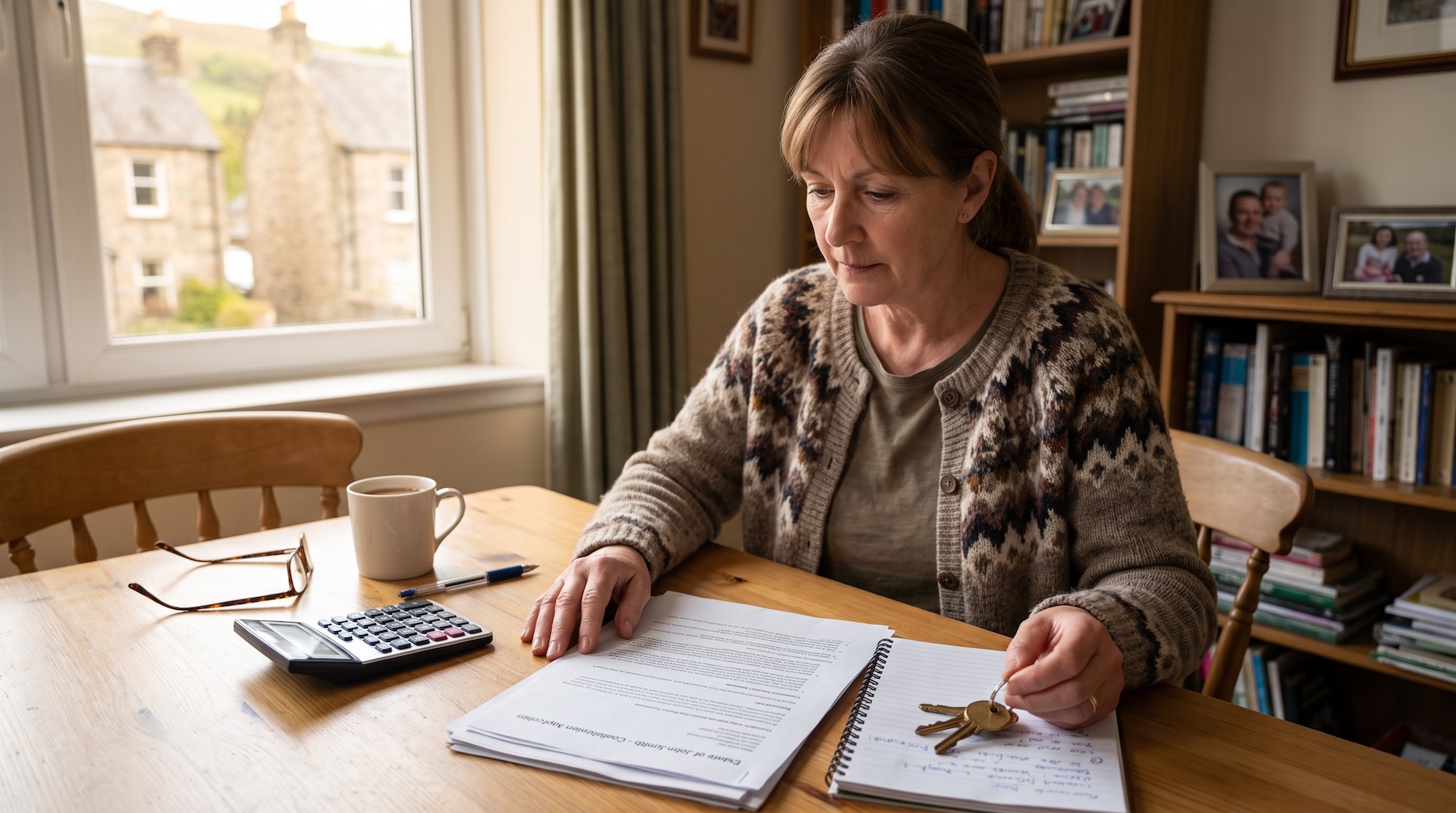
In practice, the value of the estate can quickly change the amount of legal work involved.
The Scottish Courts and Tribunals Service currently treats an estate worth £36,000 or less as a small estate. Anything above £36,000 is classed as a large estate for confirmation purposes. Crucially, that calculation is based on the value of the deceased’s money and property before debts are deducted.
That can catch families out.
A modest bank balance may look uncomplicated until you add a house, investments, shares, savings accounts or other property owned at the date of death.
An executor takes on legal responsibility
The executor’s job goes considerably further than closing bank accounts.
Assets have to be identified and valued. Debts and tax have to be dealt with. Where confirmation is required, an inventory of the deceased’s property has to be prepared before the executor can obtain the legal authority needed to ingather and administer the estate.
For large estates, the Scottish Courts and Tribunals Service is unusually direct: it says mistakes can have legal consequences, the executor is legally responsible, and the remedies for correcting errors can be limited and potentially expensive. The court service also says it is prohibited from helping applicants prepare confirmation applications for large estates and recommends taking legal advice.
That is worth knowing before an executor starts moving money or making promises to beneficiaries.
The house can be what changes everything
Consider someone who dies with £20,000 in savings.
On that figure alone, the estate appears to sit comfortably below the small-estate threshold.
If the deceased also owned a property, however, its value forms part of the estate. The same applies to investments and other assets owned at death.
There can then be questions about the Will, the appointment of executors, inheritance rights, tax, valuations, creditors and how and when beneficiaries should receive their entitlement.
Where there is no Will, further court procedure may be required to have an executor appointed before the estate can progress.
You do not have to administer the estate alone
Being appointed executor does not mean you have to become an expert in executry law.
Ross Harper can connect executors and families with an experienced Scottish solicitor who can deal with the legal work involved in administering an estate, from obtaining confirmation and ingathering assets through to settling liabilities and distributing the estate.
Our Wills and Executry service deals with estates ranging from straightforward cases to substantial estates involving property and multiple assets.
If you have recently been named as an executor, or somebody close to you has died and you are unsure what happens next, get advice before making distributions or trying to navigate the confirmation process yourself.
Speak to Ross Harper about dealing with an estate in Scotland.
Call 0800 11 12 13.