


Making a Power of Attorney? The Person You Choose Is Only Half the Decision
Most people making a Power of Attorney in Scotland spend time deciding who they trust to act for them.
Far fewer think about what happens if that person cannot act when they are eventually needed.
The Office of the Public Guardian (Scotland) confirms that you can appoint a sole attorney, joint attorneys, substitute attorneys or a combination. A substitute can be named to take the place of an attorney who can no longer act.
That makes the structure of the appointment every bit as important as the name written on the document.
A Power of Attorney may be needed years after you sign it
Imagine appointing your husband, wife, partner or one of your children as your sole attorney today.
Ten or fifteen years later, circumstances may look very different.
People die. Relationships change. Someone you trust may develop health problems of their own, move abroad or simply reach the point where they no longer feel able to take responsibility for another person’s financial or welfare decisions.
A substitute attorney provides a planned replacement. The Public Guardian describes a substitute as someone chosen by the granter to take over if the attorney cannot act.
That is worth considering when the Power of Attorney is drafted rather than assuming the person you appoint today will always be available.
A substitute can provide continuity
A substitute attorney is essentially your reserve choice.
They are named in the original Power of Attorney but have no authority simply because they have been nominated. Their authority begins when the circumstances set out for taking over the appointment arise.
You can also appoint more than one attorney.
But the drafting then deserves careful thought. Should they make decisions together? Should either be able to act separately? What happens if one is unavailable?
The Public Guardian specifically warns that where attorneys must act jointly, both need to be available to make the decision. It also stresses the importance of clear drafting because the registered document may eventually have to be interpreted by banks, pension providers, GPs and care homes.
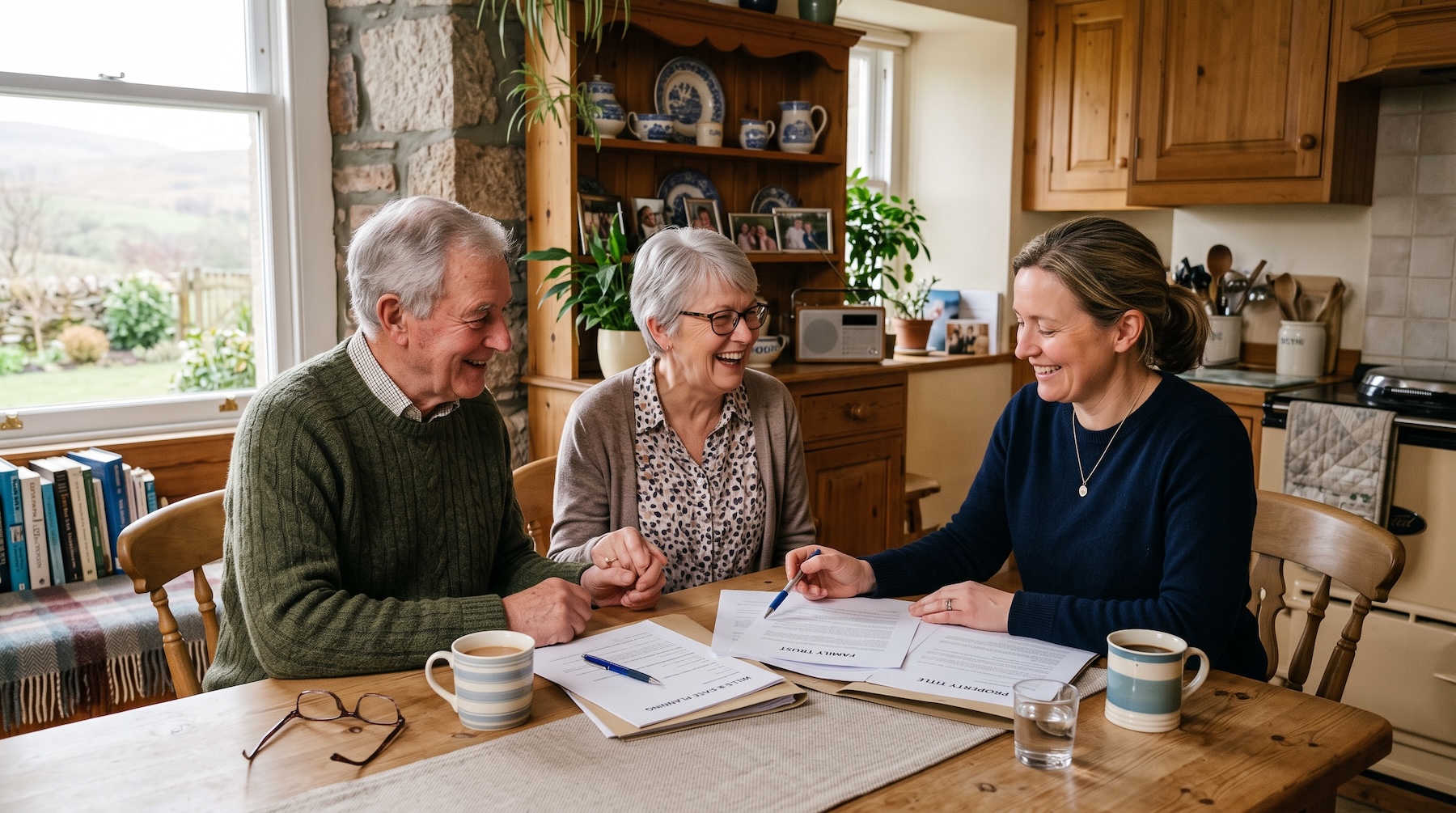
These are decisions worth making while everyone is sitting around a table and able to discuss them, rather than years later when the document actually has to work.
Changing it later may mean starting again
There is another reason to think about the structure at the beginning.
Since 30 October 2023, only straightforward administrative changes can generally be made to a registered Scottish Power of Attorney under the Public Guardian’s revised policy. Significant alterations — including adding an attorney, substitute attorney or additional powers — require a fresh Power of Attorney deed to be submitted for registration.
So when someone says, “I’ll just appoint one person for now and add somebody else later,” that may be considerably less convenient than expected.
At Ross Harper, our experienced Scottish solicitors can discuss not simply whether you should have a Power of Attorney, but how it should be structured for your own family and circumstances.
Our Wills and Powers of Attorney service covers continuing financial powers, welfare powers, joint attorneys and substitute attorneys. We can prepare the document and deal with the registration requirements on your behalf.
Choosing someone you trust is the obvious starting point.
Choosing what should happen if they cannot act is part of getting the document right.
Speak to Ross Harper about making or reviewing a Power of Attorney on 0800 11 12 13 or make an enquiry online.